
Greece feels made for sharing special moments. Friends, families, clubs, schools and company teams all love its ancient ruins, beautiful islands and slow seaside lunches. Greece tours make sharing easy, because someone else plans the routes, the tickets and the timing. Everyone in the group can then simply relax and enjoy each day together.
This guide walks through the country region by region. It covers the sights every group should see and the tours that suit groups of mixed ages. It also explains the extras, from boat lunches to swim stops. Planners who want more ideas can browse My Greece Tours for trips across the mainland and islands.
How Do Big Groups Enjoy Greece Tours In Athens?
Big groups enjoy Athens most when they pair a guided morning at the ancient sites with a lazy afternoon by the sea. Private guides and boat days keep everyone together. Many planners first compare ideas on Greece tours and Tours In Greece before they book a single outing. Then the planning gets much easier.
Which places are unmissable in Athens?
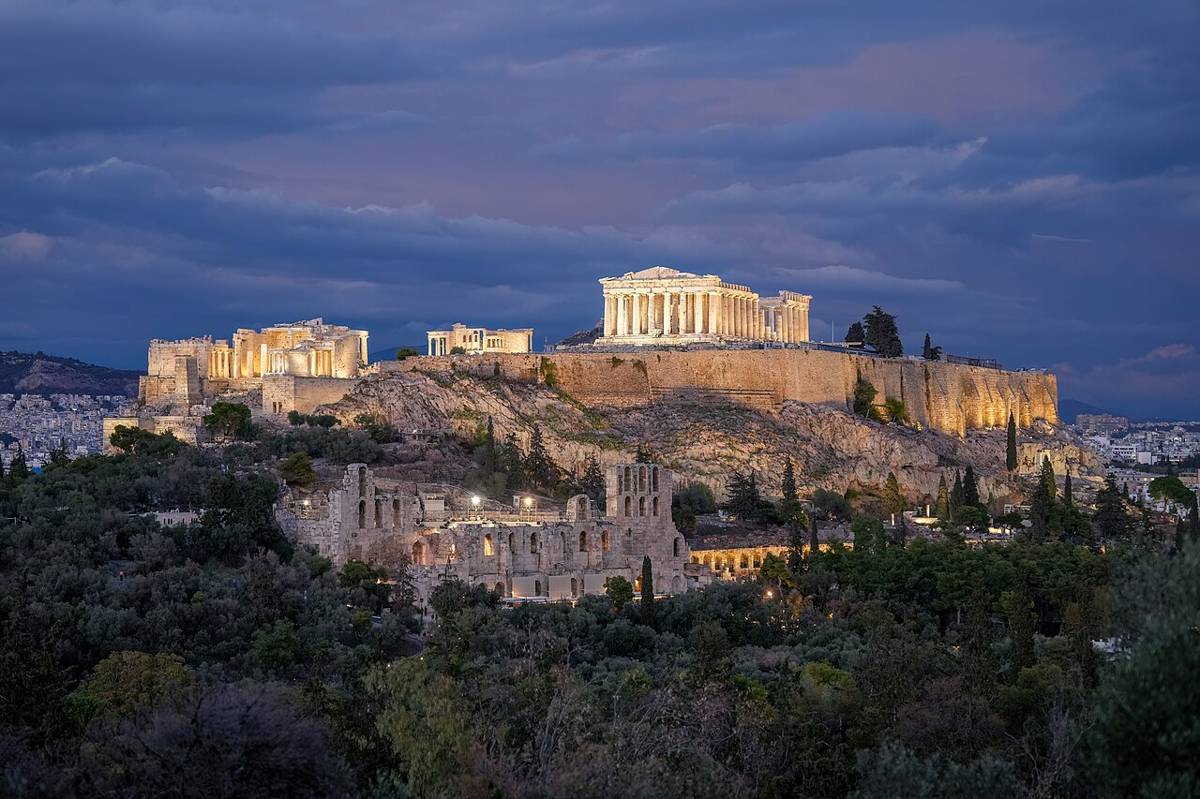
The Acropolis is the rocky hill that rises above the city, and every group should climb it. On top stands the Parthenon, a great marble temple for Athena, the goddess who gave Athens its name. Next to it sits the Erechtheion, where statues of women called the Caryatids hold up the roof like columns.
Near the hill, the modern Acropolis Museum has glass floors that reveal old streets underneath. The original Caryatids wait safely inside. The Ancient Agora was the old market and meeting place, where thinkers like Socrates argued in public. Nearby, the giant columns of the Temple of Olympian Zeus honour the king of the gods.
Plaka and Monastiraki are the old neighbourhoods under the Acropolis, full of narrow lanes, tavernas and a busy flea market. At sunset, the view from Lycabettus Hill stretches across the whole city to the sea. For a final treat, the Temple of Poseidon at Cape Sounion sits on a cliff above bright blue water.
Which Greece tours cover Athens best?
Private tours with a driver-guide suit families with grandparents or young children. The day bends around naps, snacks and slow walkers. These tours are priced per group, so bigger parties often find them good value. On the water, a private skipper lets a club or company team choose its own coves and pace.
Boat cruises with swim stops work well for friend groups and teenagers who want sun and sea after the museums. Guided walking tours suit school groups and curious adults, because a good guide turns broken stones into stories. Many of the best Greece tours from Athens blend both happily on the same day.
Cooking classes and wine tastings are the gentle choice for company teams and adult friends. Everyone rolls up their sleeves, learns a classic dish and then sits down to eat it together. It is a fun way to bond, and it gives tired legs a rest between busy sightseeing days in the city.
What do Greece tours in Athens provide?
Food is a big part of the day. Many boat trips serve lunch or a BBQ meal on board, so nobody has to hunt for a table that fits a large party. That matters with groups. Finding seats for everyone at once can eat up a whole afternoon in a busy seaside town.
Drinks often come included, and on some cruises they are unlimited, which keeps planning simple for the organiser. A licensed or local guide is just as valuable on Greece tours. Official guides know the history, the shortcuts and the quiet corners. They also keep a big group moving without anyone feeling rushed or lost.
Some tours add wine tastings, where a host pours local wines and explains how each one is made. Boat trips usually build in swim stops at clear bays, so children can splash about while adults float or relax on deck. These small extras turn a long day into a memory the whole group shares.
How do groups stay comfortable in Athens?
Timing is everything in the capital. Groups should visit the Acropolis as soon as it opens, before the heat and the cruise crowds arrive. Afternoons are best spent on the water or in shade, with a long lunch in between. Save the evening for Plaka, when the air cools and the lanes come alive.
Keeping everyone together takes a little planning. Pick a clear meeting point at each site, share a group chat and give younger members a bright hat to spot easily. Pack water, sunscreen, sun hats and comfy walking shoes, because ancient marble steps are smooth and slippery. Swimwear and towels help on boat days.
How Should Groups Plan Greece Tours In The Cyclades?
Groups should plan the Cyclades around a few islands, not a long list, and mix boat days with slow village time. Picking a base island with good links saves stress for everyone. From there, Greece tours by sea fill days with swims, sunsets and island lunches. Each island feels different, so nobody gets bored.
Which places are unmissable in the Cyclades?
Santorini is famous for its white cliff villages, which perch on the edge of a sunken volcano crater filled by the sea. In Oia and Fira, blue domes and narrow paths look out over the water. Sunset from the cliffs is a moment the whole group will talk about long after the trip ends.
On Mykonos, a row of white windmills stands on a hill above Little Venice. In that old quarter, houses sit on the waves. A short boat ride away lies Delos, a sacred island where Greek myth says the god Apollo was born. Today the whole island is a vast outdoor ruin, guarded by marble lions.
Milos hides colourful sea caves and rock arches that only boats can reach. Long ago, pirates used them as hiding places. The old town of Naxos climbs through a maze of lanes to a castle built when Venice ruled the island. On Paros, the harbour of Naoussa glows with little fishing boats and seaside tavernas.
Which Greece tours cover the Cyclades best?
Private tours with a driver-guide or skipper are ideal for families and close groups of friends. They are priced per group, so the cost spreads across everyone. The plan can also change if the wind picks up. A private skipper can also find a quiet bay when the popular beaches look too crowded.
Boat cruises with swim stops suit lively friend groups and teens who simply love the sea. Snorkel and beginner scuba trips are perfect for curious kids and active adults, since instructors start in shallow water. Full-day trips from Athens by coach help groups who are based in the capital and short on time.
Cooking classes and wine tastings win over the slower members of almost any party. On Santorini, the volcanic soil gives the local wines a special, crisp taste, and proud hosts love to explain why. Company teams often book these Greece tours as a relaxed reward after a busy, sunny day out on the water.
What do Greece tours in the Cyclades provide?
Most boat days include lunch or a BBQ meal, often grilled on deck while the boat sits at anchor. Drinks come with the trip too, and on some cruises they are completely unlimited. This takes the stress out of feeding a big, hungry group on islands where seaside tables fill up fast in summer.
A licensed or local guide adds the stories behind each place, from the myths of Delos to the volcano under Santorini. Boats carry snorkel gear for everyone, so nobody needs to pack their own masks and fins. Regular swim stops at clear, sheltered bays give children and adults a cool break between the sights.
Good island tours also leave free time to explore, so people can split up for a while and meet again later. Some add wine tastings at small family wineries with sea views. That mix of guided time and free time keeps both the careful planners and the wanderers in the group happy all day.
How do groups stay comfortable in the Cyclades?
The strong summer wind, called the meltemi, can make boats bumpy and ferries late. Groups should book sea trips for the morning, when the water is often calmer, and keep a spare day in case of cancellations. Anyone who feels seasick should take medicine early and sit low near the middle of the boat.
On island Greece tours, a group leader should count heads at every stop and share the departure time out loud. Village paths are steep, so pack comfy shoes, sun hats, strong sunscreen and refillable water bottles. A light jacket helps on windy decks after dark, and a dry bag keeps phones safe from spray.
Which Greece Tours In The Classical Sites Suit Families And Friends?
Families and friends enjoy the classical sites most on small-group or full-day trips with a guide who brings old myths to life. Short walks and shady breaks keep every age happy. These Greece tours mix famous ruins with mountain views and seaside towns. Even children who dislike museums usually love the legends.
Which places are unmissable in the classical sites?
The sanctuary of Delphi, a holy site of the god Apollo, clings to a mountainside. Ancient Greeks came here to ask the oracle, a priestess who passed on his messages. They thought it was the centre of the world. Further north, the monasteries of Meteora perch on giant rock pillars like castles in the sky.
Further south, the mighty citadel of Mycenae was the hilltop fortress of King Agamemnon from Greek stories of the Trojan War. Visitors enter through the famous Lion Gate, with stone lions carved above the doorway. At Epidaurus, the ancient theatre has such clear sound that a whisper on stage reaches the very back rows.
Nearby Nafplio is a graceful harbour town with a hilltop fortress and a tiny island castle in the bay. Ancient Olympia is where the Olympic Games began, and groups can still race along the old track. On the way, the canal at Corinth slices through solid rock to link the seas on both sides.
Which Greece tours cover the classical sites best?
Small-group tours suit close friends and neighbours travelling together, since everyone can hear the guide clearly and ask more questions. Full-day trips from Athens by coach are the easy option for larger parties, such as clubs or school classes. The coach does the driving, and the group simply rests and chats between stops.
Guided walking tours inside each site help families make sense of the scattered ruins. A guide can point out where athletes trained at Olympia or where pilgrims, or holy travellers, waited at Delphi. Entry tickets alone work well for confident groups who like to explore at their own pace and linger wherever they please.
Multi-day tours with hotel nights are the best fit for school trips, clubs and big family reunions. They link Delphi, Meteora and the old Greek south without long drives in a single day. Everyone gets time to settle in, and evenings turn into relaxed group dinners in small, friendly mountain or harbour towns.
What do Greece tours in the classical sites provide?
A licensed or local guide is the most important extra here. Ruins without stories can look like piles of old stones, but a good guide makes the heroes, gods and athletes feel real again. In Greece, only licensed guides may lead talks inside the main sites, which protects the quality of every single visit.
Entry tickets are usually included on these Greece tours, which saves time and stress at busy gates. For a large party, standing in a long ticket queue under the hot sun is no fun at all. With tickets sorted, the guide can lead everyone straight inside while the site is still cool and calm.
On multi-day trips, comfortable hotel nights are part of the package. That means the group sleeps close to the sites and can wake up early, well ahead of the day crowds. It also saves the busy organiser from booking rooms in several different towns, a task that grows harder with every extra traveller.
How do groups stay comfortable in the classical sites?
The classical sites are mostly open hillsides with very little shade. Groups should start early, carry plenty of water and wear hats, sunscreen and sturdy shoes for rough, uneven, dusty paths. At Meteora, shoulders and knees must be covered, so women should pack a long skirt or wrap, and men should wear long trousers.
On Greece tours with a big party, agree on a meeting spot near each entrance. Set a clear time to return to the coach. Give children a simple, fun job, like spotting the Lion Gate first. Plan a cool drink or an ice cream break after every major site to lift tired spirits again.
Where Do Group Greece Tours Go In Crete And Beyond?
Group tours in Crete and beyond mix ancient palaces, castle towns and lagoon beaches with plenty of sea time. Each island suits a different group mood, from history lovers to beach fans. Many groups happily pair Crete with another island. Greece tours make those links simple, with friendly guides and boats ready on arrival.
Which places are unmissable in Crete and beyond?
On Crete, the palace of Knossos is linked to the legend of King Minos. Stories say a maze below it hid the Minotaur, a monster with the head of a bull. Bright red columns and painted dolphins still bring the palace to life. In Chania, the old harbour has a lighthouse and colourful houses.
Nearby, the lagoons of Balos and Elafonisi have shallow turquoise water and soft sand, with a pretty pink tint at Elafonisi. On Rhodes, the Old Town is a walled city from the Middle Ages, built by Christian knights who ruled the island. Its grand palace and cobbled streets feel like a film set.
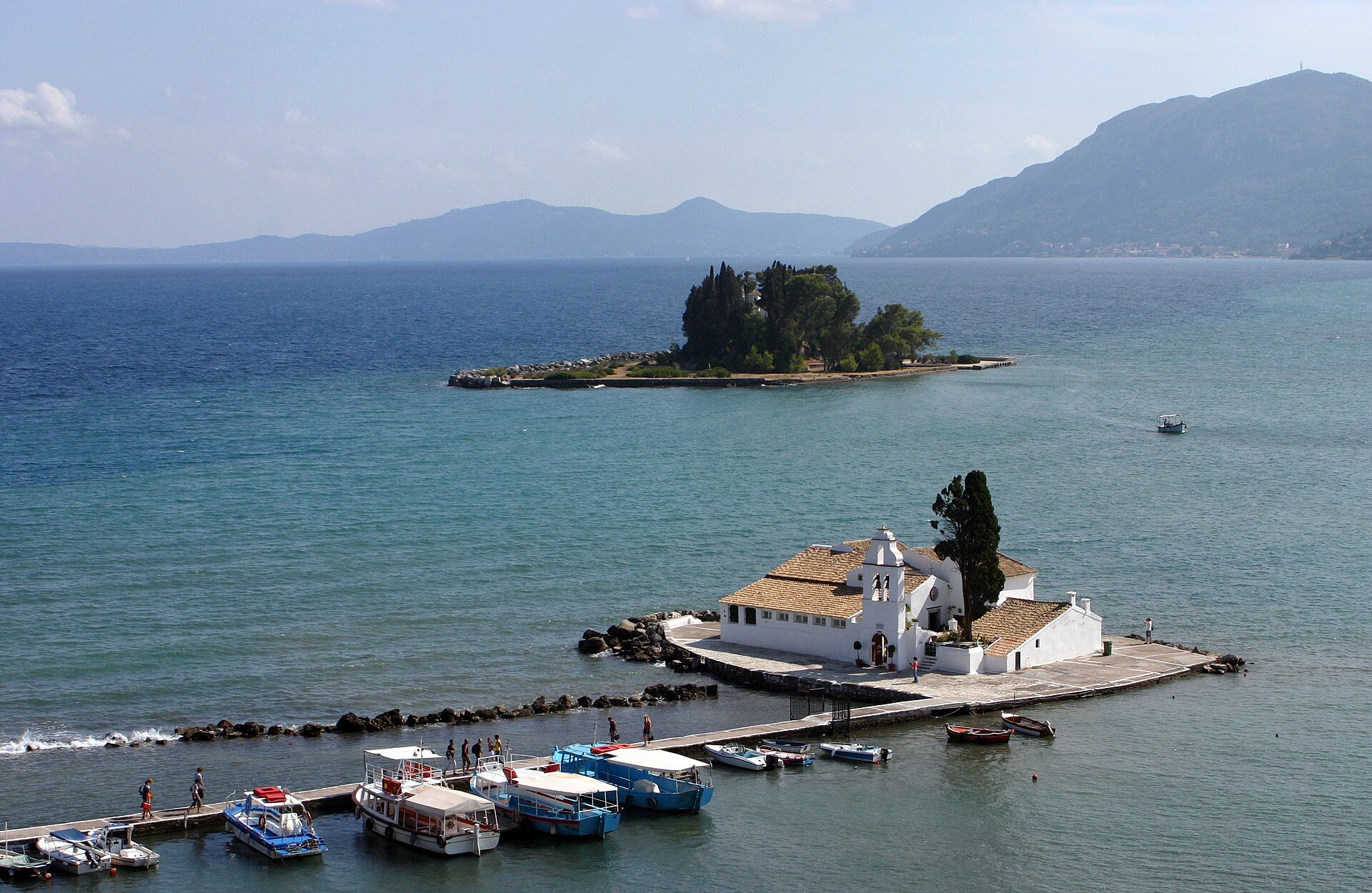
Lindos is a bright white village below a hilltop acropolis, which simply means a high, walled old city. Corfu old town mixes Venetian forts, elegant arcades and a wide square where locals play cricket. On Zakynthos, Navagio is the famous Shipwreck Beach, where a rusty old boat lies on white sand below tall cliffs.
Which Greece tours cover Crete and beyond best?
Private tours with a driver-guide or skipper suit families and friend groups who want freedom and flexibility. They are priced per group, and the guide can adjust the route for small children or older relatives. A private skipper can also reach hidden coves and beaches around Corfu or Rhodes that bigger boats skip.
Boat cruises with swim stops are the classic way to see Balos or Navagio close up. They suit beach lovers of every age, from toddlers to grandparents. Full-day trips from Athens by coach help groups who start their holiday in the capital. They add a mainland day before everyone flies to the islands.
Guided walking tours work well for history fans in the Old Town of Rhodes or the lanes of Chania. Entry tickets suit independent groups at Knossos who like to explore at their own pace. Cooking classes and wine tastings in Crete give company teams and food lovers a warm taste of island life.
What do Greece tours in Crete and beyond provide?
Boat days around Crete and the green western islands usually include lunch or a BBQ meal. It is often fresh fish or grilled meat with salad. Drinks are included, and some cruises make them unlimited. For a big group, a set meal on board is much easier than splitting up across busy beach bars.
A licensed or local guide makes the ancient palaces and walled towns easy to follow and fun. At Knossos, a guide explains which parts are original and which were rebuilt, so nobody leaves confused. Entry tickets come bundled with many Greece tours, which means no waiting in long, hot lines while children grow restless.
Wine tastings are a highlight in Crete, where farming families have made wine for generations and love to share it with guests. Swim stops at warm lagoons and clear, quiet bays end each boat day on a high. Together, these extras let the whole group relax, because meals, tickets and fun are already arranged.
How do groups stay comfortable in Crete and beyond?
Crete is a large island, so groups should stay near the sights they care about most and avoid long daily drives. Start boat trips early to reach Balos or Navagio before the big crowds arrive. Midday is for shade, lunch and a lazy rest, while late afternoon is perfect for strolling through old towns.
Bring swimwear, towels, sunscreen, hats and water shoes for pebbly beaches. A small first aid kit and some snacks help with children. To stay together, name a leader for each smaller cluster within the group. Share a clear meeting point and time before every stop. Head counts on boats should happen every single time.
Conclusion: Greece Tours For Groups, Planned Well
Greece rewards groups who plan with care. Athens gives the big stories, and the Cyclades bring blue water and white villages. The classical sites add legends, while Crete and the other islands offer beaches and castle towns. The right Greece tours tie it all together, so the group spends its energy on fun, not logistics.
Start by choosing a few regions, then match each day to the people in the party. Mix guided Greece tours in the mornings with easy afternoons, and check the best time to visit Greece before booking anything. With good planning, every friend, parent, student and colleague comes home with happy stories they will love telling.
Frequently Asked Questions About Greece Tours For Groups
Do Greece tours include entry tickets?
Many guided Greece tours include entry tickets to the main sites, so the group walks straight in with the guide. Some private trips list tickets as an extra, so it always pays to read the details before booking. Sorted tickets save time, cut queues and keep a big party calm at busy gates.
Are Greece tours good for children?
Yes, most Greece tours work very well for children, especially boat cruises with swim stops and short guided walks. Kids love the myths about gods, monsters and heroes, and good guides tell them like exciting adventure stories. Parents should plan regular rest breaks, shade and snacks so younger travellers stay cheerful all day long.
How many Greece tours fit in one week?
Most groups enjoy a guided outing on nearly every day, with a lazy beach or pool day mixed in now and then. A good week might pair Athens with an island or the classical sites. Packing too many Greece tours into a short stay tires people out, so leaving gaps for rest is wise.
Are Greece tours easy for older travellers?
Many Greece tours suit older travellers well, as long as the group picks the right style. Private tours with a driver-guide and multi-day trips with hotel nights keep walking light and the pace gentle. Sturdy shoes, sun hats and regular breaks in the shade make the hilly ancient sites far easier to enjoy.
Are Greece tours worth it for a short trip?
Yes, Greece tours are especially worth it on a short trip, because a guide removes the planning time and the guesswork. The group sees the big highlights quickly and smoothly, with tickets, guides and meals often arranged in advance. That leaves more of the holiday for swimming, eating and simply enjoying precious time together.
Do Greece tours suit first-time visitors?
Greece tours are a great choice for first-time visitors, since a local guide explains the history, the food and the customs. Groups learn how to get around and what to look for next time. Many first trips start in Athens and add a nearby island, which gives a balanced taste of the country.
How do groups choose Greece tours?
Groups choose Greece tours by agreeing on pace, budget and must-see places first, then picking a style that suits the whole party. An early group vote saves long debates later and gives the organiser a clear brief for every booking and every day.
Start with one shared wish list
Each traveller names the few things they want most before any booking starts. Some want ancient ruins and museums, while others dream of beaches, local food or quiet villages. The organiser then collects every answer and highlights the places where the wishes overlap.
That overlap becomes the centre of the Greece tours plan for the whole group. Extra wishes fit into free afternoons or optional day trips near the main route. Nobody feels forgotten, and the plan stays easy for everybody to follow.
Groups that enjoy slow travel can look beyond the islands for a different rhythm. A guide to scenic drives in mainland Greece shows mountain roads, quiet lakes and stone villages. Families who prefer to sit back can try the best scenic train rides for a relaxed, social day.
Good Greece tours for groups also leave time for rest between the famous sights. A packed plan tires out children and older guests first, and then the mood drops. One slow morning every few days keeps the whole party cheerful.
Match the tour style to the group
Large groups often do best with guided Greece tours by coach on the mainland, where good roads connect the main sites. Everyone travels together, and one guide handles tickets, timing and comfort stops. Smaller groups of friends can rent a minibus and meet local guides at each stop.
Island lovers need to plan the sea journeys carefully, since ferries fill up quickly in summer. A guide on how to travel between Greek islands explains ferries, flights and clever routes. Fewer island changes mean less packing and more relaxing time beside the water.
Some groups dislike crowds and want space to talk, play and explore at their own speed. They can study hidden gems beyond the tourist trails for peaceful villages and empty coves. Nature lovers can also add one of the best nature reserves in Greece for wetlands, gorges and rare birds.
Clubs and company groups usually want a mix of learning and fun on the same holiday. Greece tours that pair a morning at the ruins with a free afternoon suit them well. Everyone still shares the same stories at dinner.
How do groups share costs on Greece tours?
Groups share costs on Greece tours by setting one budget early and paying shared items from a common group fund. Personal extras like souvenirs and extra drinks stay separate, and a simple notebook or phone app records every payment.
Set the budget before anyone books
The group agrees on a comfort level for hotels, transport and meals before anyone pays a deposit. Some groups choose simple rooms and spend more on boat days and special dinners. Others prefer nicer hotels and keep their daytime plans light and low-cost.
Booking as one party usually costs less per person than booking separately. Larger rooms, shared minibuses and group tickets spread the cost across more people. Many Greece tours also offer better group rates once the party grows big enough.
Accommodation takes a large share of any budget for Greece tours. A list of eco-friendly places to stay in Greece includes farm stays and small family guesthouses. Many offer family rooms and shared kitchens, which reduce costs for larger groups.
Low season brings another useful saving for organisers. Greece tours in spring and autumn often cost less than identical trips in high summer. The milder weather also helps on long walking days at the ruins.
Keep shared money simple
Most Greece tours for groups run more smoothly when everyone contributes to a shared fund. Each person adds the same amount at the start, and one treasurer pays the common bills. Typical items for the fund include the following:
- Coach, minibus or ferry tickets for everyone
- Entry tickets for ruins and museums
- Tips for guides, drivers and boat crews
- Shared meals and snacks for the table
- Bottled water for long, hot site days
On summer Greece tours, tickets to famous attractions sell out quickly. A guide on buying Acropolis tickets in advance helps the treasurer plan every step ahead of time. Early booking also saves the group from long queues at the ticket office.
The treasurer shares a short money update each evening, usually over dinner. Everyone sees exactly what was spent, so talks about money stay calm and friendly. At the end, the group divides any leftover cash or spends it on a farewell dinner.
How do groups handle meals on Greece tours?
Groups handle meals on Greece tours by booking big tables ahead, ordering shared plates and mixing group dinners with free meals. Greek food is made for sharing, which makes long tables easy and enjoyable. Free evenings let people find new places at their own pace.
Order the Greek way
Greek meals often begin with many small plates for the whole table, which locals call meze. Dips, salads, grilled cheese and fried vegetables usually arrive first, followed by grilled fish, meat or slow-baked dishes.
Shared plates suit Greece tours for groups very well, since nobody has to choose a single dish. Everyone tastes more food, and the bill is easy to divide at the end. Fussy eaters can still find plain bread, grilled meat and simple salads.
Groups that care about local farmers can follow helpful advice on sustainable travel in Greece. Eating at tavernas, which are simple family-run restaurants, keeps money in the village. Seasonal food also tastes fresher and travels a shorter distance to the plate.
A cooking class makes a popular group activity on many Greece tours. Friends learn to fold pies, roll vine leaves and mix dips side by side. Afterwards, everyone sits down together to enjoy what they prepared.
Plan around diets and timing
Before the trip, the planner collects any allergies and special diets from each traveller. Vegetarian food is easy to find, since many Greek dishes use beans, greens and fresh vegetables. Guides on Greece tours can also explain dishes to restaurant staff in Greek.
Greeks often eat dinner late in the evening, especially during the hot summer months. Tired children and older guests usually prefer an earlier meal. Booking a table early keeps everybody happy, and the restaurant is calmer at that hour.
Long site days need simple snacks and plenty of water for every person. Many Greece tours stop for lunch in a small village near the ruins. Groups can also pack bread, fruit and cheese for a picnic in the shade.
How do groups stay safe on Greece tours?
Groups stay safe on Greece tours by planning for heat, setting clear meeting points and keeping one shared contact list. Travellers also follow guide advice at sites, on boats and on mountain trails. Greece is a safe country to visit, but sensible habits still matter for large groups.
Beat the heat and the crowds
Summer Greece tours bring strong sun, even on breezy days beside the sea. Everyone carries water, wears a hat and rests in the shade at every chance. Early morning and late afternoon visits keep the whole group cooler and happier.
Crowds at famous attractions make it easy to lose people in a large group. Tips on avoiding crowds at the Acropolis help groups choose calmer times to visit. A bright scarf or small flag held by the leader also keeps everyone together.
Archaeological sites are places where ancient ruins have been dug up and protected. Inside these sites and Greek museums, only state-licensed guides may lead groups. These guides know the safest paths and the rules about touching old stones.
Following the guide keeps visitors safe on uneven ground and protects the ruins for future visitors. Good Greece tours also include short breaks, so nobody rushes over slippery marble steps.
Keep the group together
Every group needs one simple plan for meeting up during Greece tours. The leader names a clear meeting point at each stop, such as a fountain or a church door. Everyone saves the leader’s phone number and the hotel address before leaving.
Walking days require good shoes, plenty of water and a steady pace. A guide to Greece walking tours explains paths, gear and daily planning in clear steps. The slowest walker sets the speed, and one helper always walks at the back.
Monasteries ask every visitor to dress modestly and speak quietly. A guide on how to visit Greek monasteries covers dress rules and polite behaviour inside. Covered shoulders and knees show respect, and steep monastery steps need careful footing.
Boat days need a quick head count before and after every swimming stop. Life jackets and shaded decks are standard on most Greece tours by sea. Anyone who feels seasick sits near the middle of the boat and watches the horizon.
Which Greece tours suit a first visit?
First-time groups enjoy Greece tours that link Athens with a few famous ruins and one or two islands, at an easy pace. This classic mix shows the best-known sides of Greece without rushing anyone in the party. It also gives the group a strong base of knowledge for future trips together.
Start with the classic highlights
Most first trips begin in Athens, where the Acropolis rises above the busy modern city. This rocky hill holds ancient temples, including the Parthenon, which was built for the goddess Athena. A guided walk explains the story behind each building in simple words.
From Athens, many Greece tours head to Delphi, which the ancient Greeks saw as the centre of their world. Others travel south to Olympia, where the ancient Olympic Games began. These day trips give the group a clear picture of everyday life in ancient Greece.
Groups unsure where to start can read a guide to choosing the right Greek tour. It compares tour styles, lengths and pace in plain terms. Many first-timers also pick escorted tours with set itineraries, since a guide handles every detail.
First Greece tours also work well with a short island stay at the end. Santorini and Mykonos are the best-known choices, with ferries and flights from Athens. A few beach days after the ruins give the group time to rest and share photos.
Keep the first trip simple
First Greece tours work best with fewer hotel changes and shorter travel days. A few well-chosen bases are enough for most groups, even on longer trips. Each extra move costs time, energy and patience that the group would rather spend sightseeing.
New visitors also need a few basic habits for busy stations, markets and squares. Simple safety tips for Greece tourists cover bags, taxis and crowded streets. Most Greece tours pass without trouble, but good habits help the whole group relax.
Costs add up quickly on a first trip, especially in high summer. Smart budget tips for Greece visitors show how to save on transport, meals and entry tickets. Groups that book early and travel outside the peak weeks stretch their money further.
Group leaders on first Greece tours also keep a simple daily rhythm. Sights fill the cooler morning, lunch and rest fill the hot afternoon, and dinner comes late. This pattern matches local life and saves energy for the whole group.
Which Greece tours suit a second visit?
Second-visit groups enjoy Greece tours that skip the busiest sights and dig deeper into one region, its food and its smaller islands. The group already knows the basics, so the trip can slow down and go further.
Go deeper into one region
A second trip often focuses on one area instead of rushing across the whole country. The Peloponnese, a large area south of Athens almost surrounded by sea, suits this style well. Its castles, olive groves and quiet beaches fill a week without long drives.
Northern Greece offers another strong choice for returning groups who want something different. Thessaloniki has busy markets, old churches and some of the best street food in the country. Nearby, the green mountains and calm lakes feel far from the summer crowds on the islands.
Many groups switch to smaller, more personal tours on their second trip to Greece. A guide to authentic small-group and private experiences shows how these tours work. Smaller numbers mean easier talks with the guide and more time at each stop.
Food tours make another good second-visit choice for groups. Cretan cooking, northern spice markets and island cheeses each tell a different story. Greece tours built around food also bring the group together at every meal.
Try the smaller islands
Second Greece tours often swap the most famous islands for quieter neighbours. Naxos, Sifnos and Folegandros offer white villages, good beaches and slower days. Ferries link them easily, so island hopping stays simple even for large groups.
Island hopping goes more smoothly with lighter bags, since ferries and small ports have little space. A guide to packing light for Greek island tours lists what to bring and what to leave at home. Each person handles one small case, and transfers stay quick.
Returning groups also notice local customs more closely. Tips on cultural etiquette for Greece visitors explain greetings, dress at churches and table manners. Showing respect opens doors to warmer welcomes in small villages.
Second Greece tours also suit special interests, such as wine tasting, sailing or hiking. Clubs and company groups often pick one shared theme for the whole trip. A clear theme gives every day a purpose and plenty to talk about at dinner.
Which Greece tours suit seasoned travellers?
Seasoned groups prefer Greece tours with private guides, remote places and local experiences, such as village festivals, mountain trails and lesser-known ruins. These groups value depth and freedom over a long list of famous stops.
Choose private and flexible tours
Experienced groups often want full control over the pace, the route and the daily timing. A guide to Greece private tours explains how private guides and drivers shape each day around the group. The plan can change on the spot if the group finds a place it loves.
Private Greece tours also suit company groups that mix work and leisure. A morning meeting can lead into an afternoon at a winery or a quiet beach. The guide adjusts the timing so nobody misses anything important.
Seasoned travellers often seek lesser-known ruins away from the crowds. Ancient Messene in the Peloponnese and Dion near Mount Olympus are good examples. Both sites feel calm, and the group can explore at its own speed.
Sailing trips suit seasoned groups who want freedom on the water. A skippered boat, meaning one with a hired captain, lets the group choose bays and harbours each day. These Greece tours feel relaxed, private and very social.
Connect with local life
Groups that return often enjoy talking with locals in their own language. Learning a few essential Greek phrases brings smiles in shops, cafés and tavernas. Even a simple thank you, efharisto, makes a warm first impression.
Mountain villages in Epirus and Crete reward groups who like walking and slow food. Shepherds still move flocks along old paths, and cheese makers welcome visitors. These Greece tours show a side of the country many visitors never see.
Seasoned Greece tours also include hands-on activities that need a little more time. Groups can join an olive harvest in late autumn, help at a small farm or learn a traditional dance. These shared tasks build strong memories for the whole party.
Seasoned groups also travel outside the hot summer months more often than first-timers. Spring brings wild flowers, green hills and mild walking weather, while autumn keeps the sea warm. Off-season Greece tours feel calmer, and locals have more time to chat.
Which Greece tours suit families returning together?
Returning families enjoy Greece tours that revisit a favourite place, add one new island or region and leave time for beach days. Familiar places make children feel safe, while new places keep everyone curious.
Mix old favourites with new places
Children love going back to a beach or a village they remember from an earlier holiday. Parents can build the new trip around that place and add fresh stops nearby. This balance keeps younger and older family members happy.
A guide to family-friendly Greece travel tips helps with places to stay, meals and easy day trips. It also covers how to plan for different ages on the same trip. Grandparents, teenagers and toddlers all need a slightly different pace.
Growing children can handle more on each return trip. A family that once stayed on the beach can now visit Olympia or walk part of a gorge. Greece tours change as the children grow, which keeps every visit fresh.
Families returning with teenagers can add a few active Greece tours. Sea kayaking, snorkelling and easy hikes keep older children busy and proud. Younger children can join shorter versions or play on the beach with a parent nearby.
Time the trip around traditions
Returning families often plan a trip around a Greek holiday. Easter is the biggest celebration of the year, with candlelit processions and family feasts. A season-by-season guide to Greek customs explains what happens and when.
Summer saint’s days bring village festivals called panigiria, with music, dancing and long shared tables. Visitors are usually welcome to join in, and children often dance with local kids. These Greece tours give children stories they tell for years.
Big families also benefit from staying in one base for most of the trip. A rented villa or a family hotel gives space for cousins, grandparents and friends. Shared meals at home save money and leave more for special outings.
Greece tours that bring grandparents, parents and children together work best with a shared plan and some free time. Grandparents can rest at the villa while parents take the children to a museum. Everyone meets again for a long family dinner by the sea.
Which places do Greece tours for groups visit?
Greece tours for groups visit the Cycladic islands, the great mainland sites and the large islands of Crete and the Ionian Sea. Each area suits a different mood, from ancient ruins to sandy beaches. Most groups mix a few areas in one trip, which keeps every day fresh and different.
Islands
The Cyclades are a ring of small, sunny islands in the Aegean Sea, linked by regular ferries. Island Greece tours here mix beaches, white villages and long seafood lunches by the water. Each island has its own character, so groups often visit more than one on the same trip.
- Santorini: white cliff-top villages and famous sunsets above a sunken volcano
- Mykonos: old windmills, a pretty harbour town and lively sandy beaches
- Paros: relaxed fishing villages, wide beaches and easy ferry links
- Milos: white moon-like rocks, sea caves and colourful boat houses
- Ios: golden beaches, a hilltop white village and busy summer nights
Mainland
Mainland Greece tours focus on history, from Athens to the great sanctuaries of the south and north. A sanctuary was a holy place where ancient Greeks worshipped their gods. Good, well-kept roads link these sites, so coach tours work well for big groups and all their luggage.
- Athens: the Acropolis, the Parthenon temple and the lively old Plaka streets
- Meteora: old monasteries built by monks on top of tall rock towers
- Olympia: the green valley where the ancient Olympic Games began
- Mycenae: the Lion Gate and a hilltop palace from Greek legends
- Epidaurus: a huge ancient theatre famous for its perfect sound
Large islands
The large islands give groups more space, more roads and more choice in one place. Greece tours to these islands often stay a week or longer without changing hotels, which suits big families. Crete sits far to the south, while the others lie in the green Ionian Sea to the west.
- Crete: the ancient palace of Knossos, long beaches and deep gorges
- Corfu: an elegant old town, sea forts and quiet green coves
- Kefalonia: Myrtos Beach, underground cave lakes and tall forested mountains
- Zakynthos: the famous shipwreck beach, sea turtles and bright blue caves
How do groups plan Greece tours over nine days?
Groups plan nine-day Greece tours by starting in Athens, heading north to Delphi and Meteora, and ending on the islands. This order moves from busy city sights to calm beach days, so energy lasts. Ferries and short flights then link the final island stops with little fuss.
Start in Athens
Most Greece tours begin in Athens, since the main airport and ferry ports sit close to the city. The first day stays light, with a walk through the old Plaka district and a long group dinner. This easy start helps everyone recover from travel.
The second day belongs to the Acropolis and its bright modern museum below the hill. A licensed guide explains how the temples were built and why they mattered so much. Early entry keeps the group ahead of the heat and the biggest crowds.
On the third day, many Greece tours run a day trip into the Peloponnese. Groups see the Lion Gate at Mycenae and the ancient theatre at Epidaurus. The drive back passes the pretty seaside town of Nafplio, a good stop for ice cream and a stroll.
Evenings in Athens suit group dinners on rooftop terraces with views of the lit-up Acropolis. Clubs and company groups often book a private dining room for a welcome meal on the first night. It sets a friendly, relaxed tone for the busy days ahead.
Groups that want a shorter version can follow a seven-day Greece itinerary instead. It shows how the same pattern fits into a single week. Larger groups can then add the mainland days described below.
Head inland to Delphi and Meteora
On day four, the group drives north-west to Delphi on the slopes of Mount Parnassus. Ancient Greeks came here to ask the oracle, a priestess who passed on messages from the god Apollo. The ruins, the museum and the mountain views fill most of the day.
That evening, Greece tours continue to Kalambaka, the small town below the rocks of Meteora. Hotels there face the rock towers, which glow at sunset. Groups enjoy a quiet dinner and an early night after the long day on the road.
Day five starts early at the Meteora monasteries, built by monks on top of tall stone pillars. Visitors climb steps cut into the rock, so comfortable shoes matter. Men wear long trousers, and women wrap a long skirt over trousers or shorts at the gate.
Groups that prefer to arrange each stage themselves can use a guide to self-guided itinerary planning. It covers car hire, timing and how to book each stop. Many friends and families mix self-guided days with guided visits at the big sites.
The drive back to Athens takes most of the afternoon on day five. Many groups break the journey at a roadside taverna for grilled meat and fresh salads. The group then rests early at a hotel near the port before the move to the islands.
Finish on the islands
Day six begins with an early ferry or a short flight to the Cyclades from Athens. Many Greece tours choose Santorini first, then a calmer island such as Paros. The change from ruins to beaches gives the whole nine-day trip a happy, balanced rhythm.
Santorini fills the next two days with cliff walks, boat trips and wine tasting. Groups often sail around the volcano and swim in warm springs near the shore. Sunset dinners in the cliff village of Oia are popular, so tables need booking well ahead.
On day eight, the group moves to Paros or Mykonos for a slower pace. A guide to Greek island hopping explains ferry routes, tickets and luggage tips for large parties. Fewer bags and early check-in make each crossing smoother for everyone.
The final day leaves time for a beach morning, a short swim and a last group lunch by the harbour. Greece tours usually end with a ferry or flight back to Athens for the journey home. Groups that book return travel early keep the last day calm.
Throughout the nine days, a shared group chat keeps everyone informed about meeting times and changes. The leader posts the next day’s plan each evening. This simple habit prevents confusion on busy travel days and long ferry mornings.
More questions about Greece tours for groups
Groups often ask the same practical questions before booking Greece tours, from payments and luggage to shady boats and toddlers. The short answers below cover the most common ones.
Can groups pay for Greece tours in one booking?
Yes, most Greece tours accept one booking and one payment for the whole group, made by a single organiser. The organiser then collects shares from each person in the party before the deadline. Some operators also allow split payments by card, which saves the leader from carrying the whole cost.
Which bag suits Greece tours best?
A soft, medium-sized wheeled bag or a travel backpack suits Greece tours best, since it fits ferry racks and narrow streets. Hard, oversized cases are awkward on cobbled lanes, steep island steps and crowded ferry ramps. A small daypack also helps on day trips for water, sun cream, snacks and a hat.
What should groups pack for Greece tours?
Groups should pack light clothes, a sun hat, sunscreen, comfortable walking shoes and one modest outfit for churches and monasteries. Swimwear, a light jacket for windy ferries and a refillable water bottle complete the basic list. Matching bright caps or scarves help large groups spot each other quickly in busy crowds.
Can groups leave Greece tours early?
Yes, groups can leave Greece tours early, but unused days are not always refunded, so the booking terms matter. The organiser checks the cancellation rules carefully before paying any deposit for the group. Good travel insurance also helps when illness, bad weather or family news forces an early return home.
Do boats on Greece tours have shade?
Most day boats on Greece tours have a shaded deck or canopy, and large ferries offer covered seating inside and out. Small speedboats and some fishing boats have little shade, so hats and sunscreen still matter. Groups can ask the operator about shade and seating before booking a full-day trip.
Do Greece tours welcome toddlers?
Yes, many Greece tours welcome toddlers, especially private tours, boat trips and family-friendly day tours with flexible timing. Greek culture is very warm towards small children, and tavernas welcome families late into the evening. Parents still check the rules on pushchairs at ruins and pack a light baby carrier for rocky paths.
See more in Escorttop: